

When the weather begins to chill, it’s only a matter of time before the inevitable stuffy nose and cough arrive. Medicine and rest can only do so much while juggling schools and other activities. So, what can students do to combat the common cold?
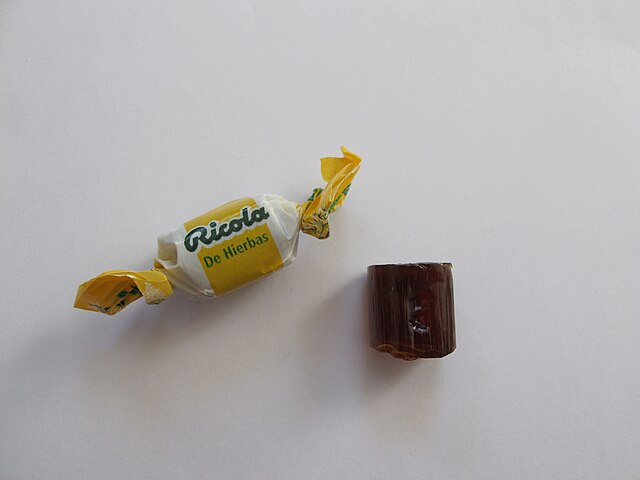
Cough drops- they fit easily into your bag and can easily be popped into your mouth anywhere. There are two kinds of cough drops, demulcents and menthol. Demulcents are made from honey, pectin, or glycerin and are used to coat and sooth the throat by keeping it moist. Menthol- based cough drops create a cooling and numbing effect that reduces irritation and can temporarily open the nasal passage. Menthol based drops have been shown to reduce cough reflex sensitivity-making the urge to cough less strong. Demulcents have been shown to be just as effective as many over- the-counter cough syrups when it comes to easing throat discomfort. The problem with cough drops is that they only provide relief from these symptoms, rather than healing them completely.
Cough drops aren’t able to treat any underlying infections and do not shorten the period in which you are sick. The symptoms are only relieved for around 10 to 30 minutes.Taking too many cough drops can result in its own variety of symptoms. These symptoms can include, but are not limited to, nausea, vomiting,stomach pain, dizziness, headache, and throat irritation. In rare cases, in very extreme doses, they can even slow your breathing.
Another thing to note is the candy coating of cough drops contains the same amount of sugar as the average hard candy. Excessive use may cause tooth decay, gum irritation, and an increase in blood sugar. This, however, doesn’t make sugar-free options any safer. The sorbitol or xylitol in sugar-free cough drops can cause gas, bloating, and diarrhea (when taken in large amounts.
So, as the cold and flu season rolls around, it’s best to go see your doctor and get prescribed medication. STay safe this winter season.